
Legionella Water Testing and Sampling Interpretation
Understanding Legionella testing in litigation. PCR vs culture testing, environmental sampling, and interpreting results in outbreak investigations and legal disputes.
Legionella Testing and Sampling Interpretation
Environmental testing for Legionella bacteria is often a central component of outbreak investigations and Legionnaires’ disease litigation. Attorneys handling these cases frequently encounter laboratory reports, environmental sampling data, and public health investigation findings that require scientific interpretation.
However, Legionella testing is rarely as straightforward as a positive or negative result. Environmental sampling represents only a snapshot of conditions within a building water system at a particular point in time. The interpretation of those findings often requires consideration of building conditions, sampling methodology, epidemiological evidence, and water system operation.
For attorneys evaluating Legionella-related claims, understanding the limitations and significance of environmental testing can be critical when assessing causation, liability, and scientific credibility.

Understanding Legionella Testing
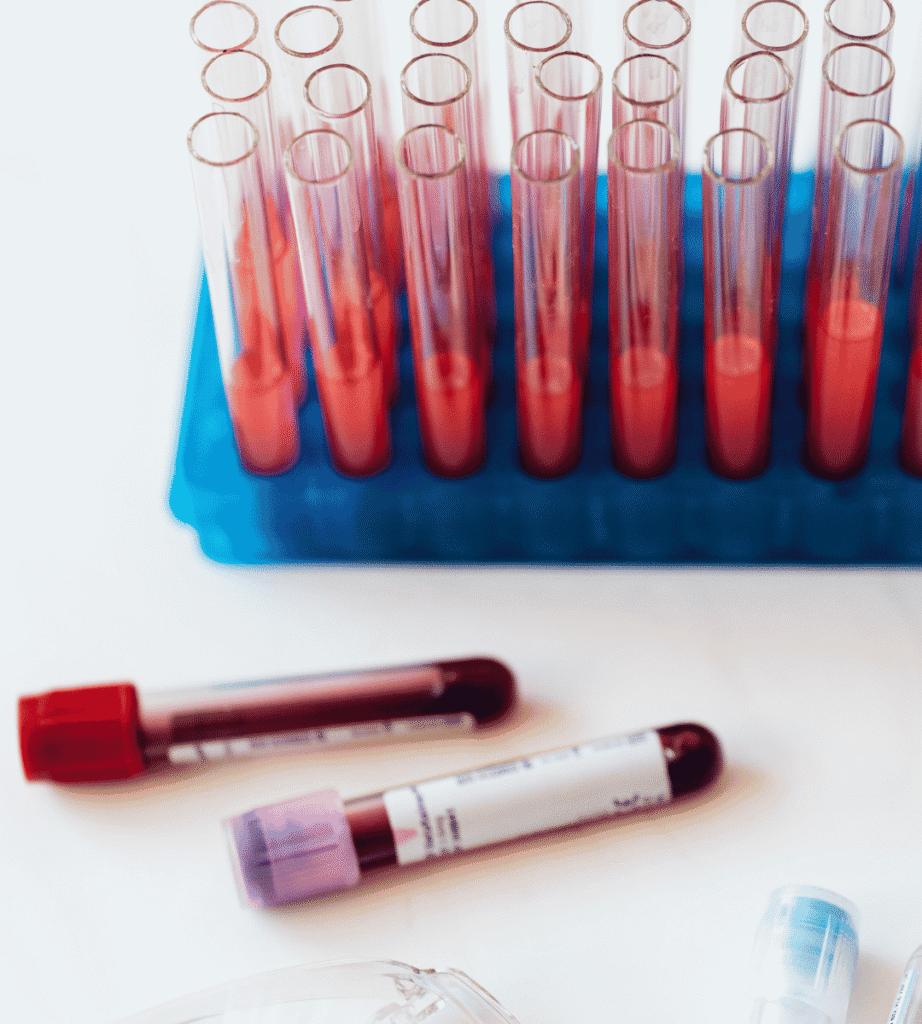
Legionella water testing is used to evaluate whether Legionella bacteria are present within a building water system. Environmental testing may occur during outbreak investigations, risk assessments, or litigation involving alleged exposure.
Testing may be performed in:
● Hotels and resorts
● Hospitals and healthcare facilities
● Nursing homes and assisted living communities
● Apartment and condominium buildings
● Cooling towers and industrial water systems
● Commercial buildings with complex plumbing systems
The purpose of environmental testing is to evaluate conditions within a water system and identify areas where Legionella bacteria may be present.
Common Methods of Legionella Water Testing
Several laboratory methods may be used during Legionella investigations. Each method provides different types of information and may have specific limitations.
Culture-Based Testing
Culture testing involves attempting to grow Legionella bacteria from environmental samples under controlled laboratory conditions.
Culture testing may help determine:
● Whether viable Legionella organisms are present
● The concentration of bacteria within the sample
● The specific species or serogroup identified
Because culture methods detect viable organisms, they are often considered important during outbreak investigations. However, culture testing may require several days before results are available.
PCR Testing
Polymerase Chain Reaction (PCR) testing detects genetic material associated with Legionella bacteria.
PCR testing may provide:
● Faster turnaround times
● Detection of bacterial DNA
● Increased analytical sensitivity in some situations
However, PCR testing may detect bacterial DNA regardless of whether organisms remain viable. As a result, interpretation of PCR findings may require careful scientific analysis.
Environmental Water Sampling
Environmental sampling may involve collecting water samples from various locations within a building water system.
Sampling locations may include:
● Cooling towers
● Hot water tanks
● Distal plumbing fixtures
● Decorative water features
● Showers and faucets
The selection of sampling locations may influence the interpretation of findings and the conclusions drawn during an investigation.
Why Legionella Testing Results Require Careful Interpretation
One of the most important considerations in Legionella-related litigation is that environmental testing results do not always provide definitive answers regarding exposure or causation.
Several factors can influence the interpretation of testing results.
Timing of Sampling
Environmental conditions within water systems may change over time. Sampling conducted days or weeks after a suspected exposure event may not accurately reflect conditions present at the time the exposure allegedly occurred.
Variability Within Water Systems
Legionella distribution within plumbing systems is often uneven. Different areas of a building may contain varying bacterial concentrations depending on temperature, stagnation, disinfectant levels, and water flow.
Sampling Limitations
Environmental testing only evaluates the locations selected for sampling. Areas not included in the sampling plan may contain different conditions or bacterial levels.
Viability vs Detection
PCR testing may detect genetic material even when organisms are no longer viable. Culture testing, while useful for evaluating viable organisms, may not detect all bacteria present within the system. Because of these variables, environmental testing results must often be interpreted within the broader context of outbreak investigation findings and building system conditions.
Legionella Testing and Legal Causation
In Legionella litigation, one of the most significant scientific questions is whether a particular water system was the likely source of infection.
A positive environmental test result does not automatically establish causation.
Scientific interpretation may require evaluation of:
- Exposure pathways
- Aerosol-generating systems
- Timing of illness and sampling
- Epidemiological evidence
- Alternative exposure sources
Likewise, a negative environmental test result does not necessarily establish that Legionella was absent from the system at an earlier point in time.
These complexities are often central to disputes involving building liability and exposure claims.
The Role of Sampling Protocols
Sampling methodology may significantly influence the reliability and interpretation of test results.
Key considerations may include:
● Number and location of samples collected
● Temperature conditions at the time of sampling
● Water stagnation and flushing conditions
● Sample transport and laboratory handling
- ● Analytical methods used during testing
Review of sampling protocols may be important when evaluating whether environmental testing results are scientifically reliable.
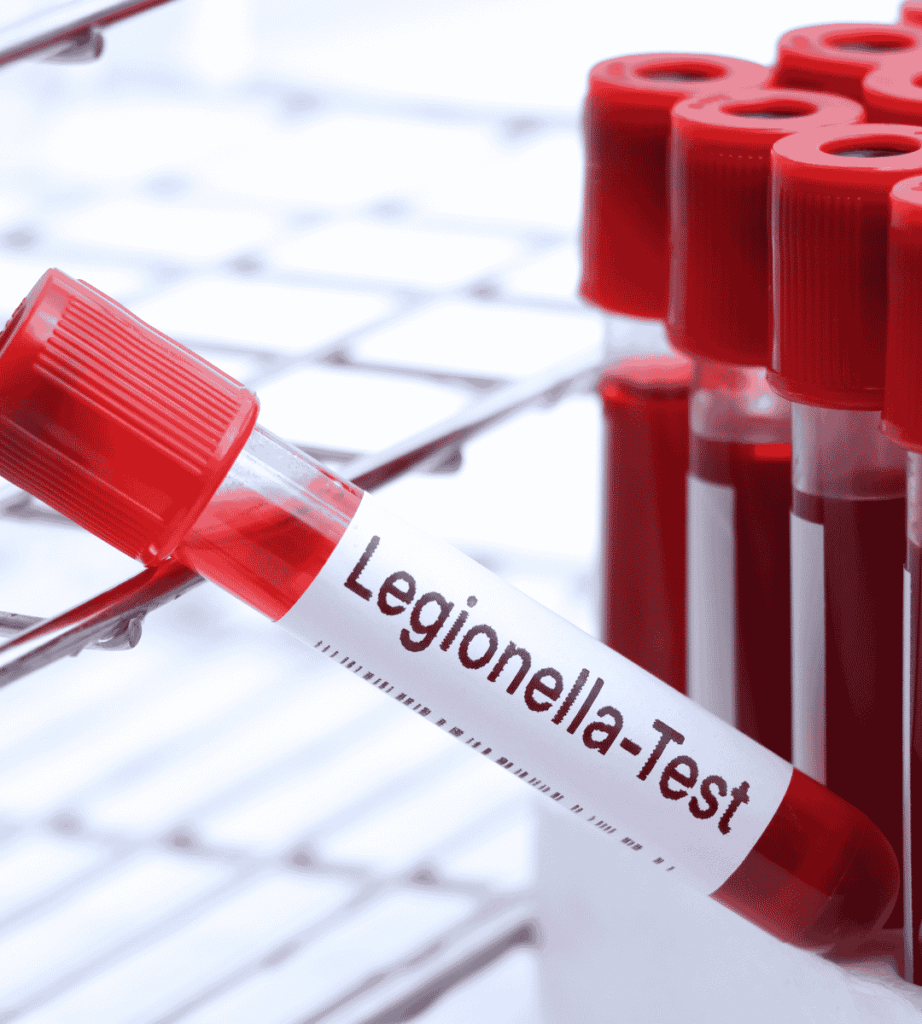
Environmental Testing During Outbreak Investigations
Public health investigations involving Legionnaires’ disease frequently include environmental sampling designed to identify potential exposure sources.
These investigations may involve:
● Review of patient exposure histories
● Evaluation of building water systems
● Collection of environmental samples
- ● Interpretation of epidemiological and laboratory data
Scientific consultants may assist attorneys by reviewing these investigations and evaluating whether conclusions regarding exposure pathways are supported by available evidence.

Scientific Review for Attorneys
Attorneys handling Legionella-related litigation often encounter technical reports and laboratory findings that require scientific interpretation.
Scientific consulting may assist attorneys with:
- Interpretation of environmental testing data
- Review of outbreak investigation findings
- Evaluation of sampling methodologies
- Assessment of exposure pathways
- Identification of scientific strengths and weaknesses within a case
Early scientific review may help attorneys better understand the significance and limitations of environmental evidence.
Common Scientific Questions in Legionella Testing Cases
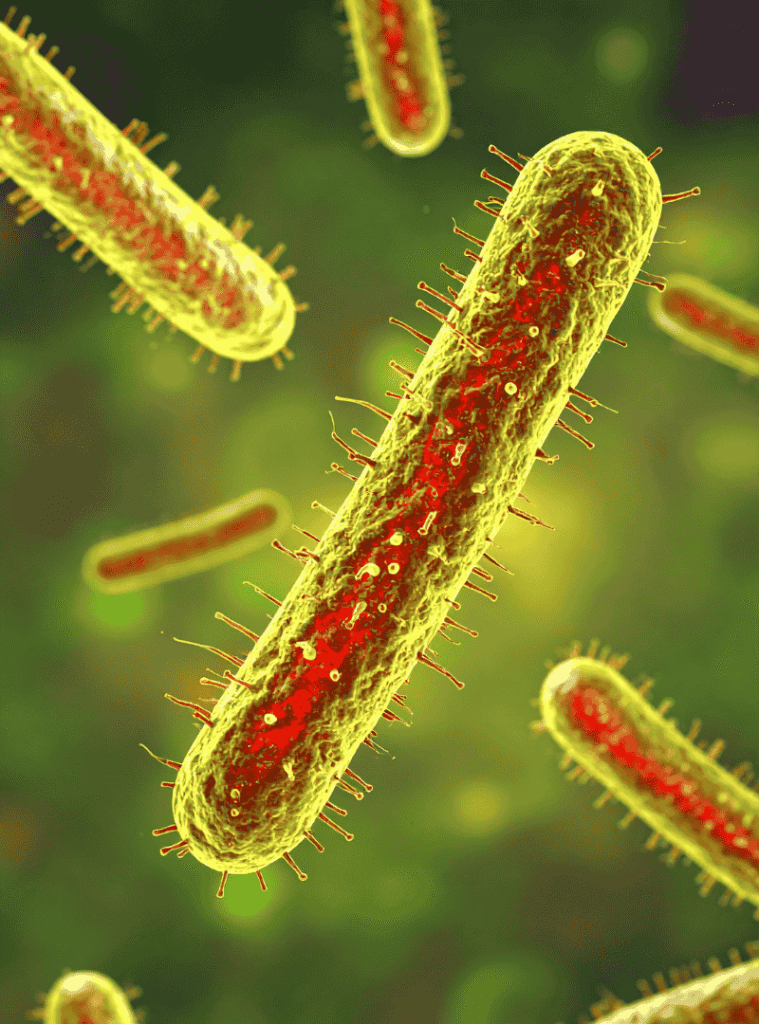
Attorneys may seek scientific guidance regarding questions such as:
● Does a positive test result establish the source of exposure?
● Can Legionella be present even if environmental testing is negative?
● What is the difference between PCR and culture testing?
● Were sampling methods scientifically appropriate?
- ● How should conflicting environmental test results be interpreted?
These questions often require technical analysis involving microbiology, environmental science, and outbreak investigation principles.
Frequently Asked Questions
Does a positive Legionella test prove a building caused an illness?
Not necessarily. Positive environmental testing indicates that Legionella bacteria were detected within the sampled system, but additional scientific and epidemiological evidence may be required to establish causation.
What is the difference between PCR and culture testing?
PCR testing detects genetic material associated with Legionella bacteria, while culture testing attempts to grow viable organisms from environmental samples.
Can Legionella still be present if environmental testing is negative?
Yes. Environmental conditions within plumbing systems may fluctuate over time, and testing only evaluates the locations sampled at the time of collection.
Why are sampling methods important?
Sampling methodology may significantly affect the reliability and interpretation of environmental testing results. Improper sampling may limit the scientific value of the findings.
Why do attorneys consult scientific experts regarding Legionella testing?
Scientific consultants may assist attorneys in interpreting laboratory data, evaluating outbreak investigations, and assessing the significance of environmental evidence.
Consultation for Attorneys
Attorneys handling Legionnaires’ disease litigation may request scientific consultation regarding environmental testing, outbreak investigations, and exposure analysis.
● Consultation services may include:
● Confidential case evaluation
● Interpretation of laboratory reports
● Review of environmental sampling protocols
● Scientific consulting regarding outbreak investigations
● Expert witness consultation
Attorneys seeking scientific guidance regarding Legionella testing and environmental evidence may request confidential consultation to discuss the circumstances of a case.
