

In recent years, the topic of microplastics has garnered significant attention, with growing concerns about their presence in various elements of our environment, particularly in food and water. These tiny plastic particles, often imperceptible to the naked eye, have sparked debates and studies aimed at understanding their potential impact on human health. But what exactly are microplastics, and should we be worried about them?
Defining Microplastics
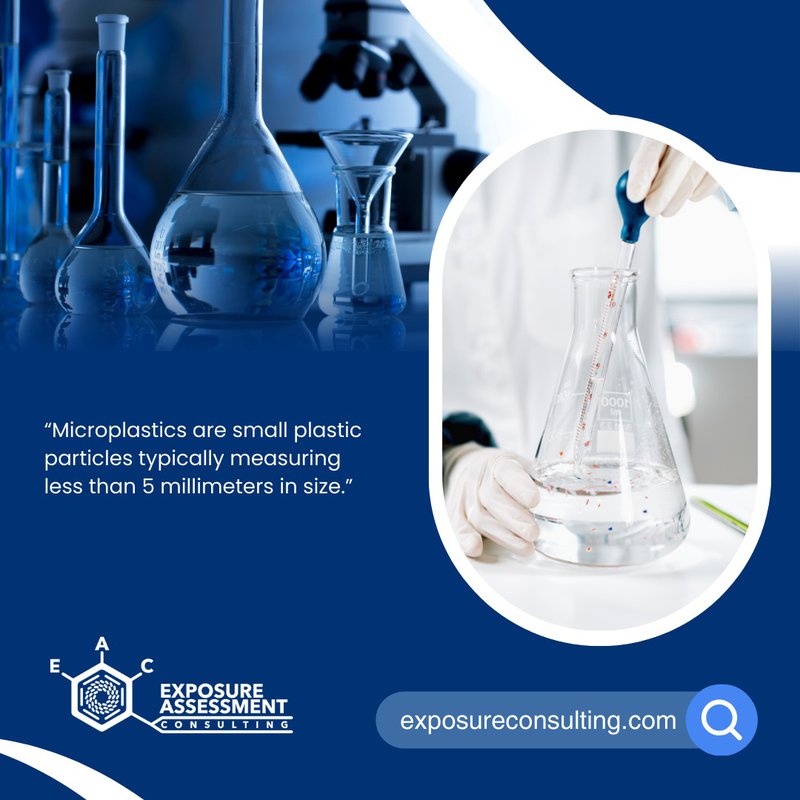
Microplastics are small plastic particles typically measuring less than 5 millimeters in size. According to the Environmental Protection Agency (EPA), these particles can range from 1 nanometer to 5 millimeters. Interestingly, particles smaller than 1 nanometer are classified as nanoplastics, which possess a different surface-to-area ratio and may interact with the environment and biological systems in distinct ways.
These microplastics can originate from a variety of sources, including the breakdown of larger plastic items, industrial processes, and even everyday products like cosmetics and synthetic textiles. Over time, these particles find their way into our water sources, food, and air, leading to potential human exposure.
Routes of Exposure
Humans can be exposed to microplastics through several routes, including ingestion (eating), inhalation (breathing), and dermal exposure (skin contact). Among these, oral ingestion is the primary route of concern, particularly because microplastics have been detected in various food items and drinking water. The presence of microplastics in food has been linked to the use of plastic utensils, cutting boards, and packaging materials, which can dislodge tiny plastic particles during food preparation and consumption.
Assessing the Risks
The crux of the debate surrounding microplastics lies in their potential impact on human health. Are these particles merely passing through our bodies without consequence, or do they pose a significant health risk?

To date, many studies have explored the presence and potential effects of microplastics on human health. However, a majority of these studies have not reached definitive conclusions. While it is clear that microplastics can be found in our bodies, the question remains whether they cause any harm once inside.
Biological Interactions and Health Effects
Some studies have used biological models, such as cells in a petri dish, to observe how microplastics might interact with biological systems. These experiments often focus on whether microplastics can be absorbed by cells or cause cellular damage. However, it is important to note that these models do not fully replicate the complexity of the human body. The way our bodies interact with foreign substances is highly sophisticated, and results from isolated cells may not accurately reflect what happens in a living organism.
One of the key concepts in toxicology is the distinction between exposure and dose. Exposure refers to the opportunity for a substance to come into contact with the body, while the dose is the amount of that substance that actually enters the body and has the potential to interact with biological systems. Simply put, just because microplastics are present in our environment and even in our bodies does not necessarily mean they are causing harm. The critical factor is whether these particles are bioavailable—meaning, are they absorbed by our bodies in a way that could lead to adverse health effects?
Current evidence suggests that while microplastics may be present in the human body, they do not necessarily interact with our biological systems in harmful ways. Many of these particles may simply pass through our digestive system without being absorbed or causing damage. Therefore, the health risks associated with microplastics remain uncertain and, based on the available data, relatively low.
Size Matters: Microplastics vs. Nanoplastics
Another important aspect to consider is the size of these particles. As mentioned earlier, microplastics and nanoplastics differ in size and surface-to-area ratios, which could influence how they interact with the body. Some researchers speculate that smaller particles, such as nanoplastics, might have a greater potential to penetrate biological barriers and cause harm. However, this hypothesis remains largely unproven, and more research is needed to understand the specific risks associated with different sizes of plastic particles.
Practical Considerations

Given the current state of knowledge, should we be changing our habits to avoid microplastics? While there is no strong evidence to suggest that microplastics pose a significant health risk, some people may still choose to reduce their exposure as a precaution. For instance, switching from plastic to wooden cutting boards or utensils might reduce the potential for microplastic contamination in food. However, it is important to consider the potential trade-offs. Wooden cutting boards, for example, can harbor bacteria if not properly cleaned and maintained, which could introduce a different kind of health risk.
For those concerned about microplastics, the key is to make informed choices. If you decide to eliminate plastic from your kitchen, ensure that the alternatives you choose do not introduce new hazards. Bamboo cutting boards, which are recommended by the USDA, are a good option as they are hard, dense, and less porous, reducing the likelihood of bacterial growth.
The Broader Environmental Impact
While the direct impact of microplastics on human health remains uncertain, there is growing concern about their environmental effects. Microplastics have been detected in various bodies of water, and research is ongoing to determine their impact on aquatic life and ecosystems. The EPA is actively investigating the pollution of water sources by microplastics and its potential consequences.
As with any emerging environmental issue, the dose makes the poison. The level of exposure and the extent to which microplastics interact with living organisms will determine the severity of their impact. For now, while the presence of microplastics in our environment is undeniable, the evidence does not support a significant risk to human health.
Final Thoughts: A Call for Further Research
The discussion around microplastics is far from over. As scientific methods and technologies advance, we may gain a clearer understanding of the potential risks associated with these particles. In the meantime, it is important to approach the issue with a balanced perspective, recognizing the limitations of current research while remaining open to new information.
The conversation about microplastics is ongoing, and as more data becomes available, we may need to reassess our understanding of their impact on human health. For now, the evidence suggests that while microplastics are present in our environment and our bodies, they do not pose a significant health risk. However, continued research and informed discussions will be crucial in determining the true extent of their impact.
