

Exploring Everyday Hazards with Dr. Alex LeBeau
In an extraordinary episode of The Exposure Scientist Podcast, Dr. Alex LeBeau sheds light on ethylene oxide, a widely used chemical with significant implications for both occupational and environmental health. The discussion focuses on the potential risks of exposure, regulatory concerns, and the importance of accurate risk assessment models.
What Is Ethylene Oxide?
Ethylene oxide is a versatile industrial chemical primarily used in sterilization processes and manufacturing. Many people may not be aware that it is a key component in antifreeze (ethylene glycol) and is commonly used to sterilize medical equipment, food products, and even some cosmetics. Despite its usefulness, ethylene oxide is classified as a hazardous substance due to its potential carcinogenic properties and risks associated with long-term exposure.
How Ethylene Oxide Exposure Occurs

Dr. LeBeau emphasizes that ethylene oxide exposure can happen through various pathways. Workers in sterilization facilities face the highest risks due to prolonged occupational exposure. However, fugitive emissions—unintended releases of ethylene oxide into the air—pose risks to surrounding communities. These emissions can occur due to ineffective industrial hygiene controls, equipment malfunctions, or accidental leaks.
Industrial Hygiene and Exposure Science
Exposure scientists follow a structured process when evaluating risks: anticipate, recognize, evaluate, and control hazards. If proper industrial hygiene measures are not in place, fugitive emissions can escape undetected. Dr. LeBeau discusses several potential causes, including:
- Poorly maintained equipment that allows leaks
- Improper handling of sterilization chambers
- Lack of effective air filtration systems
- Deferred maintenance leading to accidental releases
Each of these factors can contribute to increased ethylene oxide levels in the air, posing health risks to workers and nearby residents.
Understanding Fugitive Emissions and Monitoring Methods
The Role of the EPA in Monitoring Emissions
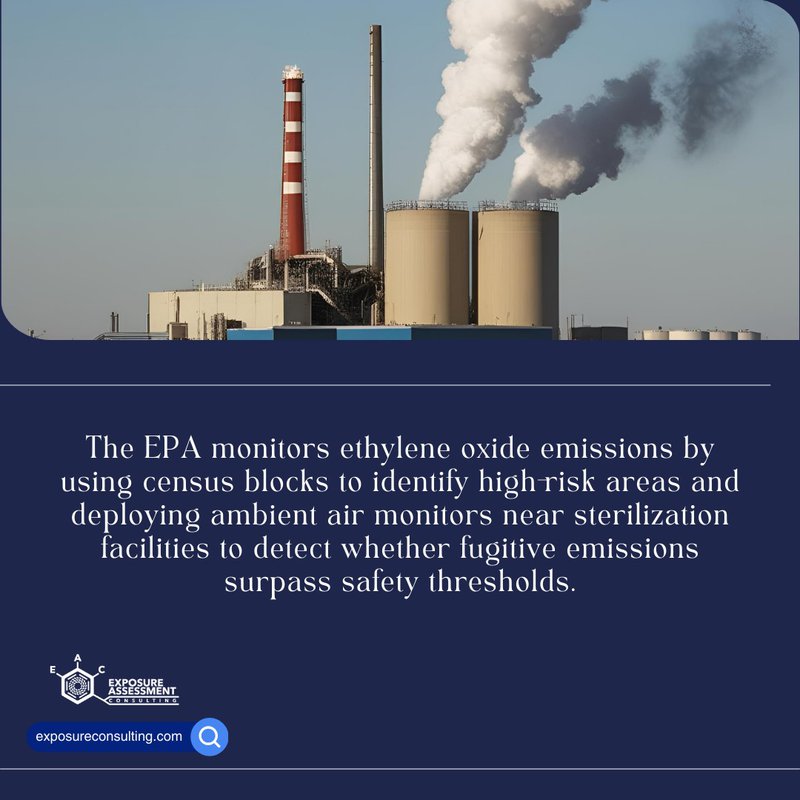
The Environmental Protection Agency (EPA) has established methods to track ethylene oxide emissions in different regions. One such approach involves using census blocks to map out areas of concern. By setting up ambient air monitors near sterilization facilities, the EPA can detect whether fugitive emissions exceed safety thresholds.
Common Sources of Fugitive Emissions
Fugitive emissions from sterilization facilities can originate from multiple sources. Some potential scenarios include:
- Accidental chamber openings before the sterilization process is complete
- Leaks from storage tanks and transport systems
- Poorly maintained ventilation systems allowing ethylene oxide to escape
- Large-scale industrial accidents leading to unintended releases
Dr. LeBeau notes that while ambient air monitoring has helped identify problem areas, it does not always provide a complete picture. Variables such as weather conditions and local topography can affect how ethylene oxide disperses in the environment.
The Health Risks of Ethylene Oxide Exposure
Occupational vs. Environmental Exposure
Exposure risks vary depending on the individual’s environment. Workers in sterilization plants face more direct exposure, often over prolonged periods. However, nearby residents may also be at risk due to ambient air concentrations.
Potential Health Effects
Research has linked ethylene oxide exposure to several health concerns, including:
- Increased risk of certain cancers, such as lymphoma and breast cancer
- Respiratory issues due to chronic inhalation
- Neurological effects from prolonged exposure
- Reproductive health concerns, particularly in high-exposure scenarios
Because of these risks, government agencies and health organizations have set strict regulations regarding permissible exposure levels.
Regulatory Standards and Risk Assessment Models
The Role of OSHA and the EPA
Two major regulatory bodies oversee ethylene oxide exposure:
- The Occupational Safety and Health Administration (OSHA) focuses on workplace safety, setting limits for ethylene oxide exposure in occupational settings.
- The Environmental Protection Agency (EPA) monitors environmental concentrations and implements policies to limit public exposure.
Both organizations play a crucial role in ensuring that exposure risks remain within acceptable limits. However, as Dr. LeBeau points out, risk assessment models can sometimes be overly conservative, leading to unnecessary public concern.
Limitations of Risk Assessment Models
Dr. LeBeau explains that many current risk assessment models assume a worst-case scenario for exposure. These models do not always account for real-world behaviors, such as the fact that individuals may not be home for extended periods each day. As a result, estimated exposure levels can sometimes appear higher than what individuals actually experience.
Factors Influencing Exposure
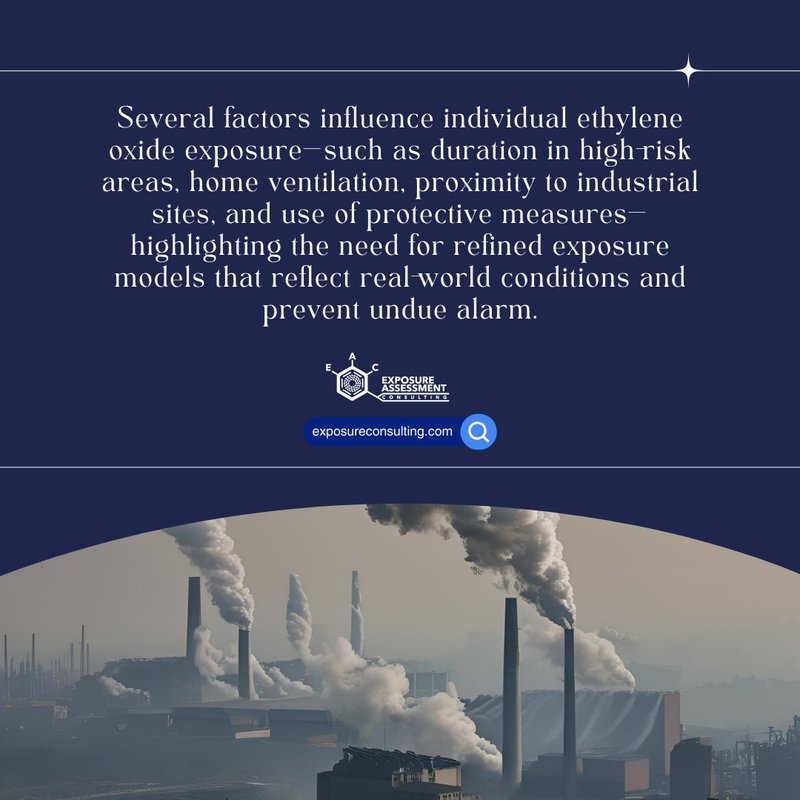
Several factors determine how much ethylene oxide an individual may be exposed to, including:
- Time spent in a high-risk area
- Ventilation and air circulation in the home
- Presence of nearby industrial facilities
- Personal protective measures, such as air filtration systems
By refining exposure models to better reflect real-world conditions, scientists can provide more accurate risk assessments and avoid unnecessary panic.
The Future of Ethylene Oxide Regulation and Public Awareness
Improving Industrial Practices
Stricter regulations have already led to improvements in how ethylene oxide is handled in industrial settings. Many companies have adopted more effective emission controls, such as:
- Advanced air filtration systems to capture fugitive emissions
- Improved maintenance schedules to prevent leaks
- Enhanced worker training to reduce accidental exposure
Public Education and Awareness
Dr. LeBeau emphasizes the need for continued public education on ethylene oxide exposure. Many people are unaware of the chemical’s uses and risks, leading to misconceptions. By providing clear, science-based information, exposure scientists can help communities better understand the real risks associated with ethylene oxide.
Future Research and Technological Advances
Ongoing research aims to develop safer alternatives to ethylene oxide in sterilization processes. Some promising developments include:
- Hydrogen peroxide-based sterilization techniques
- Plasma-based sterilization methods
- Improved chemical capture technologies to minimize emissions
These innovations could significantly reduce public exposure to ethylene oxide while maintaining the effectiveness of sterilization processes.
Final Thoughts
Ethylene oxide plays a crucial role in various industries, but its potential health risks cannot be ignored. Through stringent regulations, improved industrial practices, and public education, exposure scientists and regulatory agencies can work together to minimize risks. Dr. LeBeau’s discussion provides valuable insights into the complexities of ethylene oxide exposure and highlights the importance of ongoing research and policy improvements.
