

In a highly revealing episode of "The Exposure Scientist," Dr. Alex LeBeau invites Dr. Giffe Johnson to delve deep into the intricate world of PFAS (per- and polyfluoroalkyl substances). This episode sheds light on the complex nature of these chemicals and their profound impact on health and the environment. Here’s a breakdown of the key points discussed in this eye-opening episode.
The PFAS Conundrum: A Broad Class of Persistent Chemicals
PFAS compounds are a broad class of over 500 chemicals with a range of carbon chain lengths and different functional groups that vary significantly. These chemicals have been used in myriad applications, from firefighting foams to food contact materials, thanks to their remarkable heat stability and grease resistance. However, their persistent nature and strong carbon-fluorine bonds mean they linger in the environment for decades, earning them the nickname "forever chemicals."
Dr. Johnson explains that regardless of the definition used by regulatory agencies, the varying characteristics of PFAS compounds—such as their fate and transport in the environment, absorption and elimination from the body, and breakdown rates—create challenges in regulatory management and public health protection.
Analytical Methods in Focus: 16/33 vs. 537.1
When it comes to analyzing PFAS in surface waters, two methods stand out—16/33 and 537.1. Dr. Johnson highlights that the 16/33 method is particularly suited for waters with high solids content and includes additional steps to capture PFAS in both the aqueous and salt portions. Currently, this method is in its fourth draft form, covering 40 analytes.
On the other hand, the modified 537.1 method is commonly used to adapt to surface waters with interfering substances. However, the modifications are inconsistent across laboratories, leading to outcome variability. Most environmental data on PFAS in surface waters is based on this modified method.
The Health Implications of PFAS Exposure
PFAS exposure has been linked to various health effects, including developmental issues and thyroid disruptions. Regulatory agencies treat carcinogens and non-carcinogens differently, often extrapolating risk from high-dose data to estimate low-level risk. This can span several orders of magnitude, making establishing a clear link between dose and health outcomes challenging.
Dr. Johnson points out the complexity of epidemiological studies, where small changes in doses and cancer incidence are difficult to interpret. This complexity is exacerbated by inconsistencies in aligning epidemiological evidence with toxicological evidence from animal studies.
Cross-sectional studies on PFAS levels and antibody concentrations are fraught with high variability and confounding factors such as environmental exposures and pathogens. These challenges make it hard to establish a temporal relationship between PFAS levels and immune responses.
Balancing Risks and Benefits in PFAS Regulation
One of the critical dilemmas discussed is the impact of removing PFAS from water supplies while maintaining essential disinfectant levels. Dr. Johnson emphasizes the need to balance the overall risk of hazardous materials against the benefits of potable water containing disinfectants.
The episode also touches on the regulatory complexities, including the economic feasibility of maintaining Maximum Contaminant Levels (MCLs) for PFAS. Previously, health advisory levels set by the EPA at 70 parts per trillion guided potential actions based on developmental and thyroid effects. With ongoing regulatory developments, the difficulty of navigating MCL processes remains a significant concern for both industries and regulators.
The Role of Detection and Measurement in Understanding PFAS
The sensitivity of detection levels for PFAS compounds has increased dramatically over the years. Dr. Johnson underscores that this higher sensitivity allows for the identification of contaminants at much lower levels in human samples, revealing associations between exposure and certain health outcomes.
However, he also notes the historical challenge, where earlier environmental data collection had higher detection limits, leading to non-detects in areas of high exposure. As detection technology advances, establishing a meaningful relationship between current health data and PFAS levels from the same period becomes more feasible.
Navigating the Challenges of PFAS in Industry and Regulation
For large industrial sites providing drinking water to workers, meeting MCL requirements poses considerable economic challenges. Traditional remediation technologies, such as granulated activated charcoal and resin ion materials, are often expensive and inefficient. These methods also involve additional complexities, such as the need for large volumes or material recharging.
Dr. Johnson discusses the EPA's new hazard index approach, which adds up all PFAS compounds regardless of common endpoints. This regulatory desire to group chemicals for simplicity clashes with scientific perspectives that emphasize the varying toxicity and characteristics of different PFAS compounds.
The episode ends with a call for better collaboration between industry consultants, academic researchers, and regulatory agencies. Engaging with organizations like the EPA to improve the characterization of environmental issues can help strike a balance between public health protection, economic output, and scientific integrity.
The Way Forward: Actionable Steps and Broader Impacts
The episode of ‘The Exposure Scientist’ leaves listeners with a profound understanding of the multifaceted nature of PFAS regulation and health impact assessment. Dr. Johnson’s insights urge a calm, measured approach to addressing PFAS issues, considering the dose-response relationship and the intricacies of toxicological and epidemiological evidence.
Here’s Your Call to Action
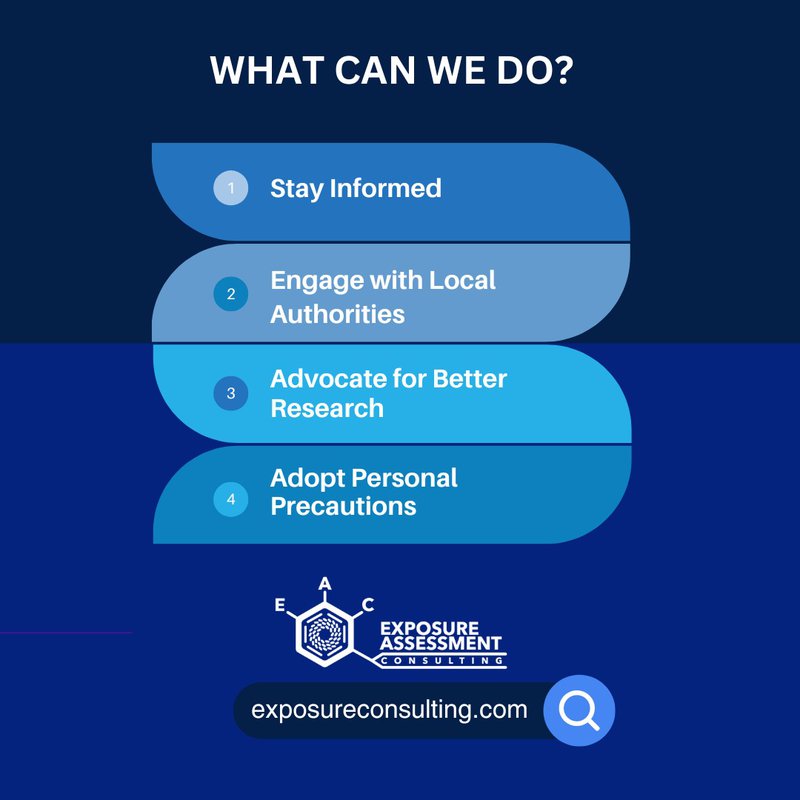
If this deep dive into the world of PFAS has sparked your interest, consider taking the following steps:
1. Stay Informed: Follow scientific updates and regulatory changes related to PFAS.
2. Engage with Local Authorities: Participate in public hearings and consultations to voice your concerns and support evidence-based policies.
3. Advocate for Better Research: Support initiatives that fund comprehensive studies on the health effects of PFAS and the development of more efficient remediation technologies.
4. Adopt Personal Precautions: Reduce your exposure by being mindful of the products you use that may contain PFAS, such as non-stick cookware, water-resistant clothing, and certain food packaging.
Tune into the full episode *Alex.Giffe Full Ep 1* of "The Exposure Scientist" for a thorough exploration of PFAS issues. Join the conversation to contribute to a safer and healthier environment for all.
