

As our understanding of environmental health continues to grow, the impact of airborne biological particles, or bioaerosols, on indoor environments is a topic of increasing concern. Bioaerosols, which include particles derived from living organisms like bacteria, viruses, fungi, and pollen, are all around us. When present in high concentrations, they can pose serious health risks, especially in poorly ventilated or high-occupancy indoor spaces.
In the latest episode of The Exposure Scientist podcast, Dr. Alex LeBeau takes listeners through the updated second edition of the Bioaerosol Assessment and Control guide by the American Conference of Governmental Industrial Hygienists (ACGIH), which has long served as an essential resource in the field. With over two decades of additional research and evolving scientific practices, this updated edition is designed to guide professionals who assess, control, and mitigate risks associated with bioaerosols. Here, we dive into Dr. LeBeau’s insights on why this updated edition is invaluable to those committed to safer, healthier indoor environments.
Introduction to the ACGIH Bioaerosol Guide
The ACGIH has been instrumental in setting standards and guidelines for the industrial hygiene field, especially through its publications. The original edition of the Bioaerosol Assessment and Control guide, released in 1999, provided foundational knowledge on managing bioaerosol exposure and risk in indoor environments. This guide quickly became the "gold standard" for bioaerosol control among industrial hygienists and environmental professionals worldwide.
With the release of the updated second edition, ACGIH incorporates two decades of new research findings, practical applications, and scientific advances. Dr. LeBeau describes the new edition as “an invaluable tool for professionals who work to manage indoor environmental quality.” He goes on to emphasize the significance of the book, calling it a resource that not only “addresses the impact of biological particles on human health” but also offers actionable strategies for effective bioaerosol management.
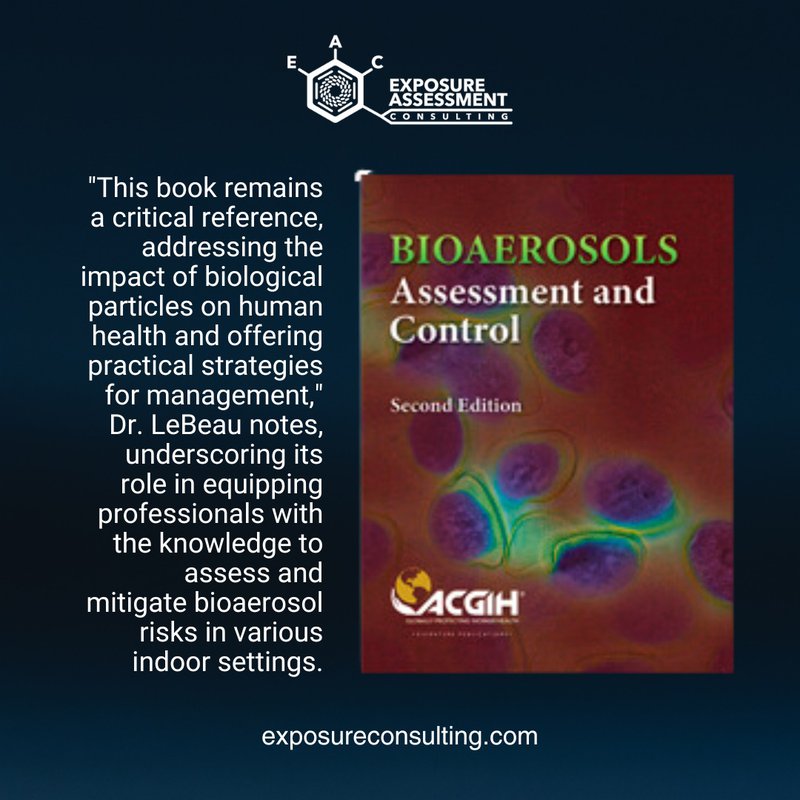
"This book remains a critical reference, addressing the impact of biological particles on human health and offering practical strategies for management," Dr. LeBeau notes, underscoring its role in equipping professionals with the knowledge to assess and mitigate bioaerosol risks in various indoor settings.
Understanding Bioaerosols and Their Health Impacts
Bioaerosols are airborne particles that originate from living organisms, such as mold spores, bacteria, viruses, and even pollen. These particles can affect air quality and, when inhaled, may cause respiratory issues, infections, and allergic reactions. Given the complexity and potential harm associated with bioaerosols, understanding their behavior, transmission, and control measures is essential for maintaining healthy indoor spaces.
In this episode, Dr. LeBeau explains the basic principles behind bioaerosol science, describing how airborne biological particles can spread, settle, and pose exposure risks, especially in healthcare and other high-sensitivity environments. He emphasizes that bioaerosols are a growing concern, not only because of rising pollution levels but also due to the increased use of chemicals, which can interact with bioaerosols in complex ways.

"Bioaerosols have always been around, but the way they interact with chemical and physical factors in modern indoor spaces requires careful study and updated strategies to protect human health," he explains.
What’s New in the Second Edition?
One of the most significant updates in this new edition is the enhanced coverage of antimicrobial agents. The chapter on these agents explores a variety of substances—such as sanitizers, disinfectants, and sterilants—that are crucial in managing bioaerosols. The updated content aligns with the U.S. Environmental Protection Agency’s (EPA) terminology, referring to these substances as “antimicrobial agents” instead of “biocides.” This change not only modernizes the language but also helps users better navigate EPA guidelines and regulations.
This chapter on antimicrobial agents is particularly valuable for practitioners in sectors like healthcare, where controlling harmful microorganisms is critical. The text outlines specific types of antimicrobial agents, including public health antimicrobial pesticides and non-public health antimicrobial pesticides. Understanding these distinctions helps professionals select the right products for different environments and applications.
"The latest edition of the ACGIH guide takes a practical approach, helping professionals apply scientific concepts to real-world scenarios in order to manage bioaerosols effectively," says Dr. LeBeau, highlighting the importance of bridging theory with hands-on applications.
Dr. LeBeau also points out that the guide provides detailed insights into the EPA’s registration process for antimicrobial agents, which involves rigorous testing for both toxicity and efficacy. He emphasizes the importance of understanding these requirements, especially in environments that require high standards of hygiene and safety.
Deep Dive into Antimicrobial Agents
The revised chapter on antimicrobial agents addresses various aspects of selecting, applying, and regulating these substances. It covers essential EPA definitions and explains distinctions between public health antimicrobial pesticides (used to control microorganisms harmful to humans) and non-public health antimicrobial pesticides (applied to products where human health is less directly at risk). Additionally, biopesticides, which are derived from natural materials like animals, plants, and bacteria, are discussed for their potential as safer, effective alternatives.
The book also delves into toxicity and efficacy requirements. For an antimicrobial agent to be approved for use, it must undergo rigorous testing to ensure it can effectively target microorganisms without causing harm to humans or the environment. The EPA mandates both acute and chronic toxicity studies to assess the potential health risks associated with each product. Efficacy data, which demonstrates a product’s ability to reduce specific pathogens, is also required and meticulously documented.
"The EPA requires extensive data on toxicity and efficacy to ensure that antimicrobial products are not only effective but also safe for public use," Dr. LeBeau remarks, explaining the critical role that testing plays in the safe application of these agents.
Practical Applications and Methodologies
Dr. LeBeau appreciates the practical guidance offered by the updated guide, noting that it provides valuable insights for real-world applications. From sampling strategies to risk assessment, the text equips professionals with methodologies tailored to different environments. This practical focus is crucial for those managing air quality and bioaerosol risks in diverse settings, including schools, hospitals, and industrial facilities.
A standout feature of the new edition is its detailed guidance on using antimicrobial agents in HVAC systems—a topic that has grown increasingly relevant in the context of COVID-19 and other airborne infectious diseases. Dr. LeBeau cautions against using unapproved products in HVAC systems, emphasizing that improper application can lead to unintended health risks.
"When using antimicrobial agents in HVAC systems, it’s essential to ensure that the products are EPA-registered for this application and used according to their label instructions," he advises. This guidance can help prevent the accidental spread of antimicrobial agents in occupied spaces, which could compromise indoor air quality rather than improve it.
The chapter also discusses water treatment considerations and explores different types of antimicrobial agents suitable for water-based applications. These sections are particularly beneficial for professionals working in settings that require secondary disinfectant systems to complement primary water treatment efforts, helping to prevent waterborne bioaerosols from impacting indoor air quality.
Emerging Trends in Bioaerosol Control
The guide doesn’t just focus on traditional antimicrobial agents; it also delves into newer, innovative solutions like antimicrobial surface coatings and nanotechnology. Surface coatings, which claim to provide long-lasting antimicrobial effects, are becoming more popular. The book evaluates these coatings, explaining the conditions under which they are effective and discussing current testing standards.
Additionally, Dr. LeBeau sheds light on the potential of nano-based materials to enhance bioaerosol control. While these products show promise, he urges caution and suggests that more research is needed to fully understand their long-term health and environmental impacts.
"Novel antimicrobials like surface coatings and nano-based materials offer exciting possibilities, but it’s important to approach these innovations with a clear understanding of both their benefits and potential risks," Dr. LeBeau notes.
Real-World Implementation: Key Takeaways for Professionals
The versatility and depth of the new edition make it suitable for a wide range of professional applications. It serves as a vital reference for those involved in indoor environmental quality (IEQ) assessments, industrial hygiene practices, and public health initiatives. As Dr. LeBeau points out, this updated guide comes at a critical time, when indoor environments face unprecedented scrutiny due to public health challenges.
The COVID-19 pandemic underscored the importance of proper bioaerosol management, and this book addresses the unique needs of healthcare and non-healthcare facilities alike. The guide covers scenarios for regular cleaning, seasonal cleaning, and even pandemic-level disinfection, ensuring that practitioners can respond appropriately to varying levels of contamination risk.
Conclusion: A Must-Have Resource for Bioaerosol Professionals
In his review of the new edition of Bioaerosol Assessment and Control, Dr. LeBeau stresses the importance of this guide as an indispensable tool for professionals working to manage indoor air quality. With its comprehensive exploration of antimicrobial agents, regulatory guidelines, practical applications, and emerging trends, this updated edition provides the knowledge and insights necessary to navigate today’s complex bioaerosol landscape.
"Operate with a clear understanding of why things are done. This chapter on antimicrobial agents lays out why we do things and offers a great opportunity to get where we are currently on antimicrobial agents," says Dr. LeBeau, encouraging listeners to use the guide as a reference for sound decision-making in bioaerosol control.
For those interested in staying at the forefront of environmental health and safety, the second edition of Bioaerosol Assessment and Control is an essential addition to their professional toolkit. To explore more, visit the ACGIH website to purchase the digital or print edition of the book.
Stay Informed with The Exposure Scientist
Have more questions about bioaerosol assessment? Want to learn more about best practices for indoor environmental quality? Reach out to Dr. Alex LeBeau and the team at Exposure Assessment Consulting via exposureconsulting.com for tailored advice and expert consultation. For more insights, follow The Exposure Scientist podcast on your favorite platform and stay updated on the latest developments in exposure science. Thank you for tuning in—stay safe, stay informed, and join us next time!
